
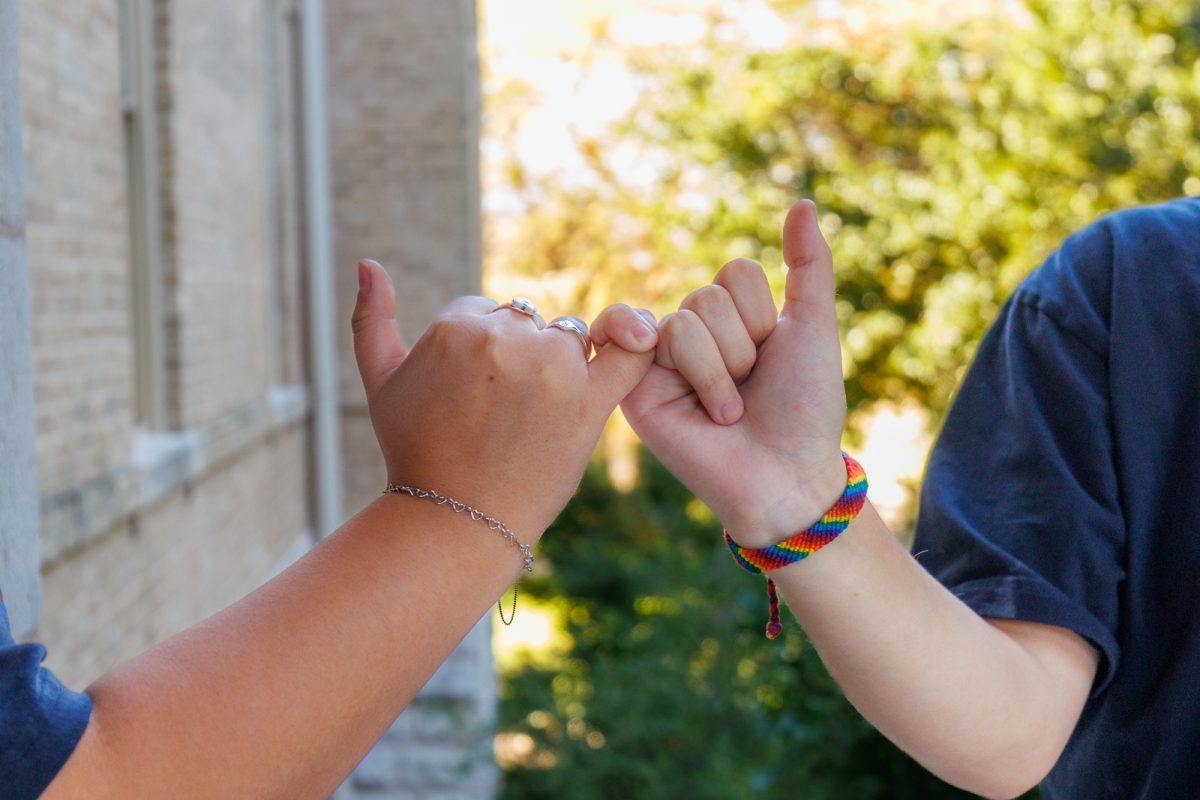
Transitioning to college life can be challenging in many ways, especially when it comes to maintaining both new and old friendships. With all the adjustments that come with college, friendships may drift apart or go through quite rough patches. This is also a time when you begin to discover who you are, and you might realize that you don’t connect with the same people you once did, or that some relationships no longer feel right. Friendships can be the backbone of surviving your college years, as bonds between friends can help cultivate stronger support systems in your life.
Coming from a small all-girls high school, I left feeling like I had grown the strongest relationships with lifelong friends, but coming to college I faced the harsh reality of people growing apart and changing from how I used to know them. Over each summer I began to notice how some friends would continue to always be there for me, while others became unrecognizable. I would often feel greatly disappointed and hurt by the loss of dependability, empathy and loyalty from these friends. Instead of continuously being let down, I took some time to express my feelings and come to terms with embracing the fantastic friends I still had and have made along the way rather than dwelling on what once was. Based on the experiences I’ve had, here are some of the tips and reminders I use when approaching conflicts with friends.
Pause before you react
When you’re upset, your first instinct may be to defend yourself or avoid the problem altogether. While it’s easy to react in the heat of the moment, it may not be the best choice. Take a step back to reflect on the situation. Consider how you feel and where your friend might be coming from. Understanding your emotions before responding can help you approach the conversation more calmly and productively. Without that pause, you risk saying something you don’t mean, which could make things worse.
Know when to apologize and how to address each other’s feelings
No matter who started the conflict, it’s important not to invalidate your own feelings and to view the situation from multiple perspectives.
Ask yourself why your friend might be upset and imagine how you would feel if the roles were reversed. If you realize you were in the wrong or could have handled things differently, take accountability. A sincere apology acknowledges your friend’s feelings, expresses remorse, accepts responsibility and offers reassurance or a solution for the future.
If your friend hurt you, a genuine apology from them will show that they value your relationship. While they should take responsibility for their actions, it’s also important to communicate what upset you, so they understand how to move forward in a healthy way.
Actively listen to each other
It’s not always easy to truly listen, especially when you feel the need to defend yourself. But active listening shows that you care and value the other person’s perspective. Confrontation can feel vulnerable, so being patient and allowing each other to speak without interruption builds respect and fosters better communication.
Active listening can also help you see your own actions in a new light. You might realize how something was misunderstood, even if that wasn’t your intention.
Knowing when to let go or hold on
One of the best pieces of advice I’ve received about friendships is to ask yourself: If I can’t change this person, am I okay with accepting their flaws and quirks?
Recognizing the value of a friendship is important, especially when conflicts keep recurring. Sometimes, two people just aren’t compatible and that’s okay. Whether you choose to step back, set boundaries or continue trying, make the choice that protects your peace.
I’ve also learned that friend groups don’t always work out. Some relationships function better one-on-one rather than within a larger group.
When it comes to relationships in general, I like to remember the phrase: “I don’t chase, I attract.” That doesn’t mean you shouldn’t make an effort to form connections, but rather that it’s healthier to go with the flow and not force relationships. You may find unexpected friendships or strengthen current ones simply by focusing on your own well-being.










All comments must have a verified email in order to be approved. Please check your inbox after commenting.