
Gen Z had an experience no other generation can say they’ve gone through: Jumping into college immediately after dealing with a pandemic. Although we’re back to having classes in person without facemasks and are able to live our lives pretty much exactly the way we used to before COVID-19, the pandemic has left life altering effects on many. About 6 in every 100 people who have developed COVID-19 developed a post-COVID-19 condition.
I got diagnosed with a chronic condition going into my junior year of college. It was a hard transition going from having the energy to balance a job, social life and classes, to feeling completely drained after a day of classes. At times it felt impossible; however, now, as I complete my last semester of college, I want to provide others struggling with chronic conditions with assurance that it’s still possible to accomplish your goals despite your circumstances, as well as tips I’ve learned along the way.
Use your resources
Dealing with a chronic condition can feel like an uphill battle. However, there are resources for people dealing with conditions that can be debilitating. Speaking with Student Disability Services was my first step in providing myself with the resources necessary for me to be able to succeed. Student Disability Services can provide students with resources to get 504 accommodation letters, and come up with a plan to best assist your personal needs depending on your situation. Sometimes just an extra day for an assignment or having attendance and tardiness flexibility from professors can be a huge factor in eliminating the stress that comes with the unpredictability of chronic conditions.
Communication is key
When you’re dealing with a health condition, it’s really important to talk with your professors. If you have accommodations, this is a mandatory requirement in order to have your 504 letter approved for the semester, but I also just believe that it’s good to get into a habit of explaining your condition, as well as how it could affect you in the classroom. Although it might sound scary to be open about something that does feel quite personal, I’ve found that it’s a nice way for me to bond with my professors.
Building a supportive environment
One of the most monumental things that has helped me to get through my last few years at school has been finding good, supportive friends. I’ve found many of my closest friends here on the hilltop by sparking up conversations during classes, group projects, and being involved in organizations. Having friends that don’t mind being there for you in a pinch is such a gift. Just simple things, like offering to drive you to the doctors or making sure the restaurants you’re eating at have food that won’t trigger an episode, can make a huge difference. It’s such a relief to have people you don’t have to constantly explain yourself to. Having that extra level of support can provide a level of comfort which is everything when college itself is such a stressful time.
Don’t overdo it
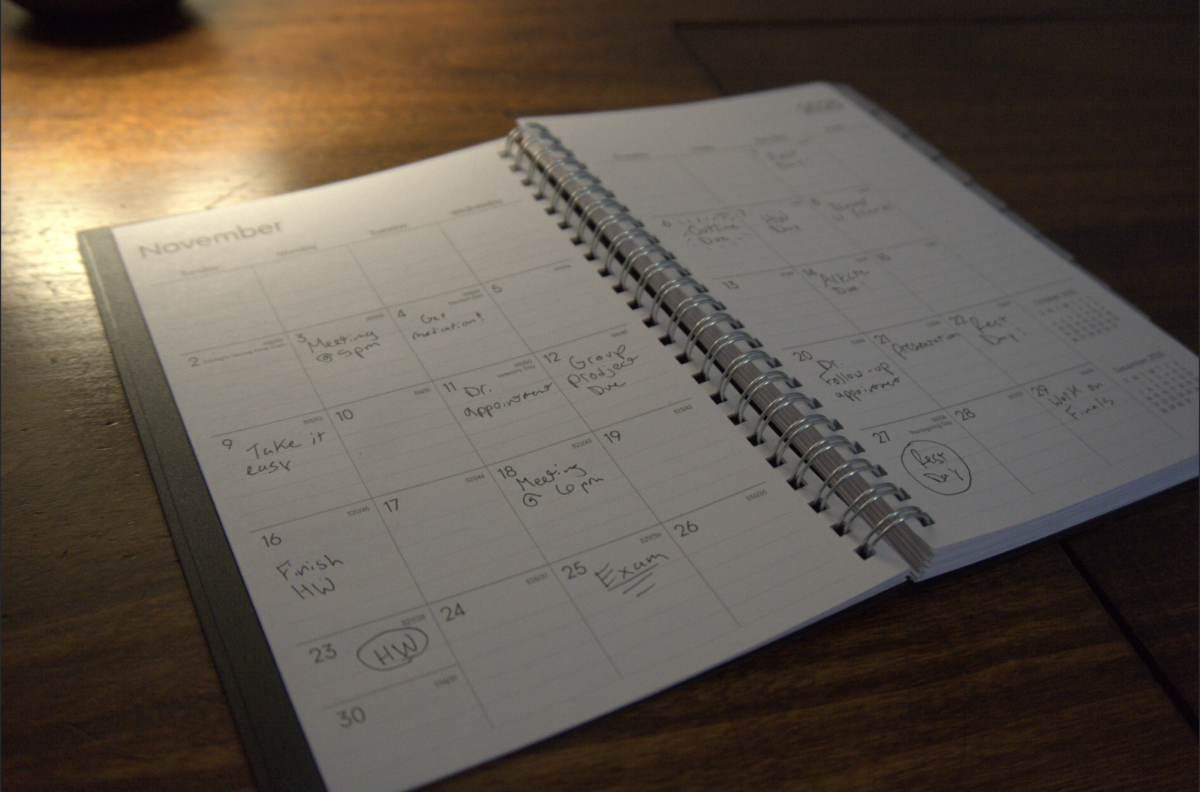
You might want a lively schedule filled with friends, events and classes, but sometimes giving yourself space to rest is the best thing you can do. It allows you to return to those moments with even more energy and appreciation. The ultimate way I’ve had to get through college is by prioritizing things. If I know I have a huge week of assignments, but I also want to get dinner with my friends during the week, I have to be very selective. Illness can mean your body has different limits, and being honest about them is a form of caring for yourself. While you may step back from things at times, you’re making room for rest, recovery and all the other moments you can show up for.
Comparison is a thief of joy
The hardest thing about being chronically ill in college is being surrounded by others living the “typical” young adult experience while you’re managing pain and fatigue. It can feel very isolating at times, and some days staying optimistic is a real challenge — but that’s ok. Living with chronic illness isn’t easy, but it teaches you to listen to your body and health and wellbeing first. Some days it’s important to focus on taking care of yourself and giving yourself time to let your body recharge. Other days, once you’re feeling up to it, it means getting back out there and still letting yourself enjoy life at your own pace.
It’s ok to take a break
If it gets to a point where, no matter what you do, school just feels like too much, there’s no shame in taking time off. I had to do this my junior year of college and it genuinely helped me tremendously. It was horrifying at first leaving behind what I felt like I dedicated all my time and energy into the past few years, but during my semester off I worked with doctors specific to my condition that helped provide me with a care plan as well as resources that would help aid my return to school. Going back to school I felt a lot more prepared and really relieved a lot of the stress I had towards returning. The good thing about college is that it’s flexible; taking time off really wasn’t a huge ordeal. Prioritizing health isn’t falling behind, it’s taking care of your future; college will always be there when you’re ready to come back.










All comments must have a verified email in order to be approved. Please check your inbox after commenting.